Eight non-Olympic-lifting records match barbell equipment and a primary back, lats or traps tag. Bent-over, Pendlay and landmine rows appear alongside deadlifts, a rack pull, a shrug and an upright row. This is a tagged catalog subset, not a prescription to perform every pulling movement together.
The barbell category also contains Deadlift (Trap bar). That equipment grouping is deliberately broader than a straight bar: the full exercise name preserves which implement was used. The directory never converts the trap-bar record into an ordinary straight-bar deadlift.
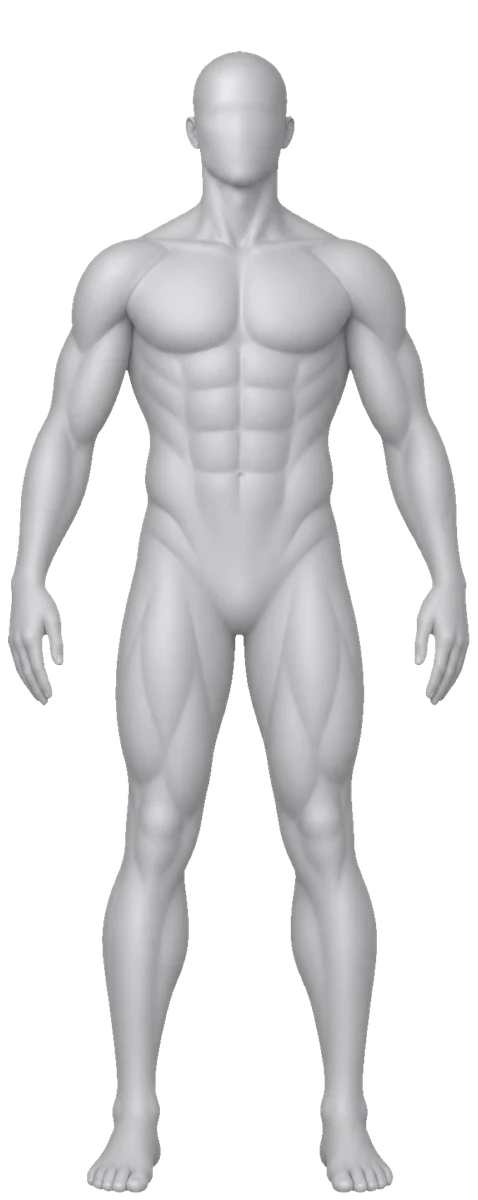
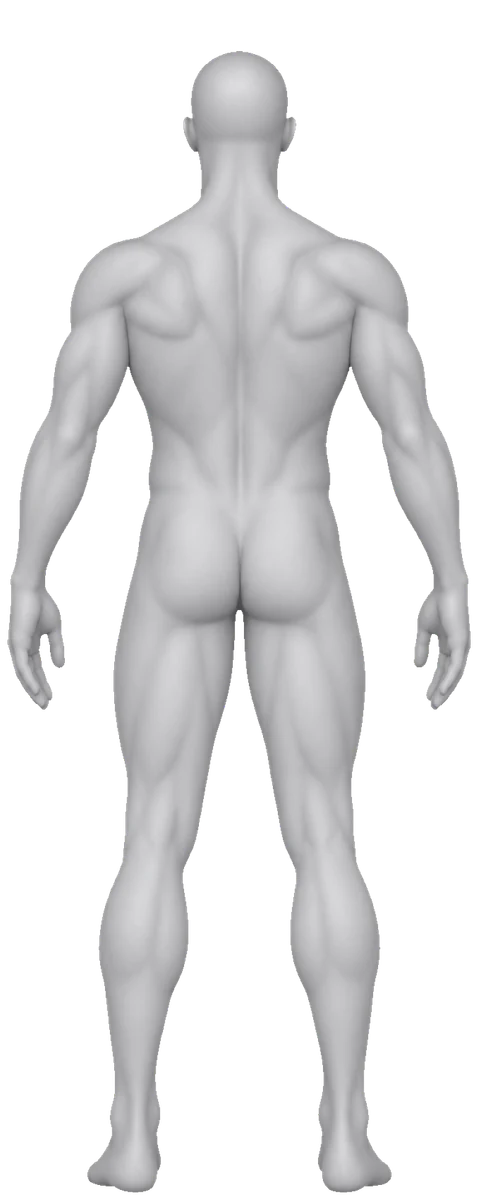
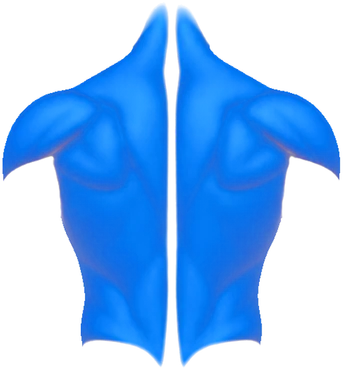
A row, a shrug and a rack pull keep separate histories
Bent Over Row (Barbell) and Pendlay Row (Barbell) are separate stored names. A landmine row uses a further named arrangement. Record the support or start arrangement when it matters, especially because a broad row label may be used differently across coaching sources.
Rack Pull (Barbell) retains the rack wording, while Shrug (Barbell) and Upright Row (Barbell) enter through traps. Deadlift (Barbell) and Deadlift (Trap bar) have several primary tags including back. Their presence here does not rank them as replacements for a row or imply that back is their only relevant region.
The implement belongs in the recorded total
A straight bar, trap bar and landmine bar need their own known mass or a clearly labeled added-plate convention. If the bar mass is unknown, the note should say so rather than silently assuming 20 kg. Handles or rack heights can also help identify the exact arrangement without changing the catalog record.
This finder excludes the catalog's Olympic-lifting group, including cleans, snatches and the deadlift high pull. Those records remain in the full library. The stated exclusion keeps this directory's count reproducible and avoids expanding a back-search result simply because a whole-body Olympic movement carries a traps or back tag.
Matching catalog records
The table is alphabetical and uses primary tags. Each matching record appears once.
| Exercise | Primary catalog tags | Equipment | Logged as |
|---|---|---|---|
| Bent Over Row (Barbell) | Back | Barbell | Weight and repetitions |
| Deadlift (Barbell) | Hamstrings, Quads, Back, Glutes | Barbell | Weight and repetitions |
| Deadlift (Trap bar) | Hamstrings, Quads, Back, Glutes | Barbell | Weight and repetitions |
| Landmine Row | Back | Barbell | Weight and repetitions |
| Pendlay Row (Barbell) | Back | Barbell | Weight and repetitions |
| Rack Pull (Barbell) | Back | Barbell | Weight and repetitions |
| Shrug (Barbell) | Traps | Barbell | Weight and repetitions |
| Upright Row (Barbell) | Shoulders, Traps | Barbell | Weight and repetitions |
Common questions
Why does a trap-bar deadlift appear in a barbell finder?
Its current equipment value is barbell. The display name explicitly retains Trap bar, so the broader filter does not erase the implement distinction.
Where are cleans and snatches?
They remain in the full exercise catalog. This directory excludes the named Olympic-lifting group rather than treating every traps-tagged lift as a conventional back exercise.