Fourteen machine records match GymSocial's primary back, lats or traps tags. The result includes row machines, a pulldown, assisted hanging pulls, shrugs, back-extension names, a pullover and a Smith-machine deadlift. The directory describes existing entries without claiming that all fourteen are different ways to row.
Machine is a broad storage category. It covers selected stacks, plate-loaded arrangements, assisted stations and Smith equipment. Exact names and setup notes make that broad category useful when more than one type appears in the same gym.
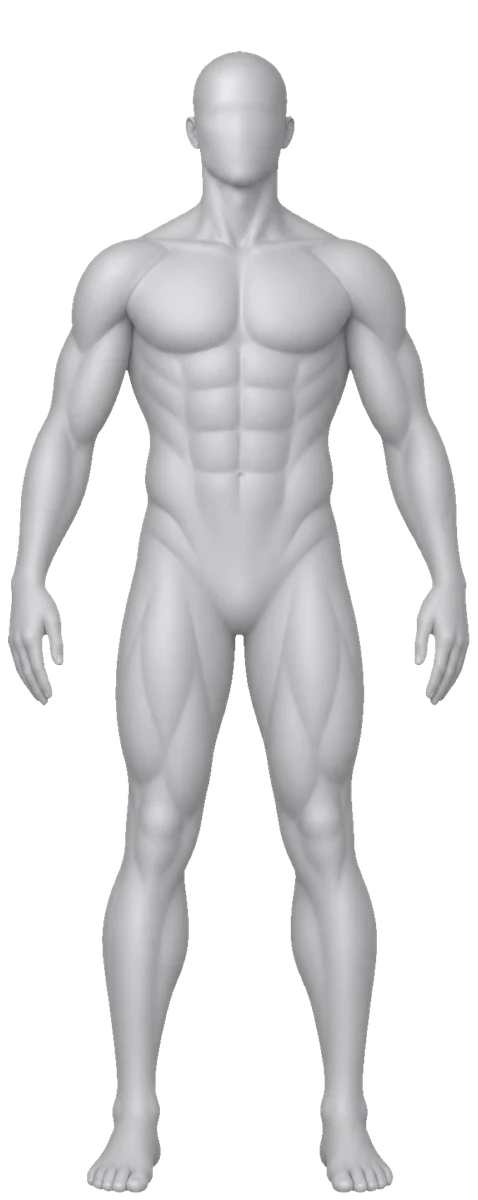
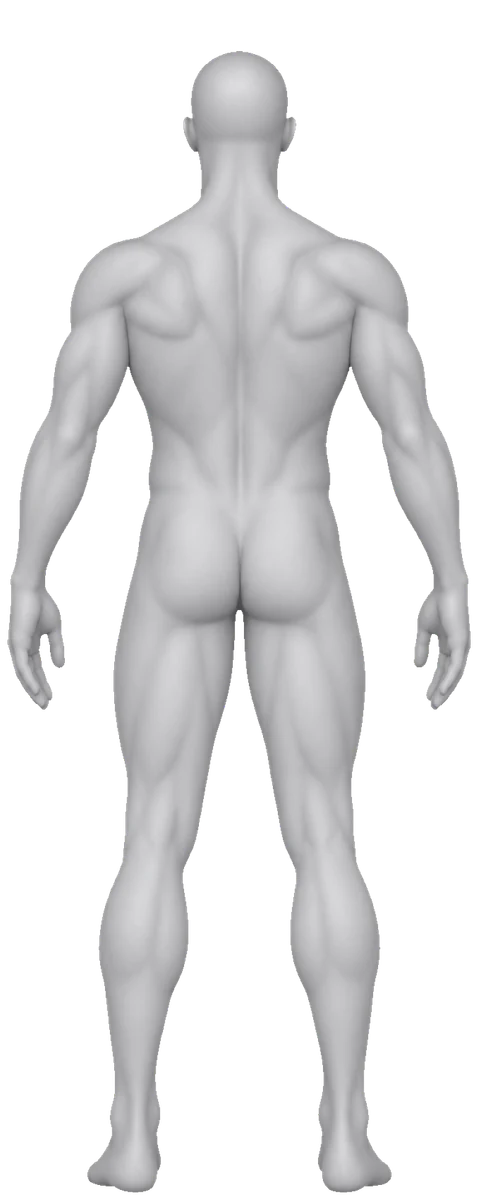
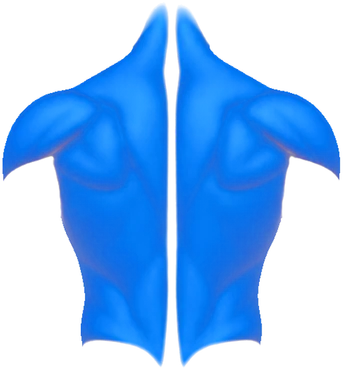
Keep the row and assistance families identifiable
Iso-Lateral High Row (Machine), Iso-Lateral Low Row (Machine) and Iso-Lateral Row (Machine) are separate selections. Seated Row (Machine) and T Bar Row also retain their names. A seat or chest support can differ across models even when a display name is shared.
Chin Up (Assisted) and Pull Up (Assisted) identify assisted hanging records. Lat Pulldown (Machine) is a separately named machine entry, distinct from the cable pulldown directory. Pullover (Machine) is cross-listed through lats and chest, while machine and Smith shrugs match traps. The table exposes those tags instead of renaming everything a back row.
A selected setting can mean assistance
For an assisted pull-up or chin-up, identify the number as assistance rather than added weight. For a plate-loaded row, distinguish plates on one arm from the combined amount. Neither value should silently inherit the meaning of a selectorized pulldown's stack setting.
A machine model, pad position and seat setting provide useful context for repeated records. Reverse Hyperextension and Back Extension (Machine) also need their named arrangements kept separate. The directory supplies no equation that converts one machine's displayed number into another's resistance, and it does not infer a progression from an assisted entry to an unassisted one.
Matching catalog records
The table is alphabetical and uses primary tags. Each matching record appears once.
| Exercise | Primary catalog tags | Equipment | Logged as |
|---|---|---|---|
| Back Extension (Machine) | Back | Machine | Weight and repetitions |
| Chin Up (Assisted) | Lats | Machine | Weight and repetitions |
| Deadlift (Smith Machine) | Hamstrings, Quads, Back, Glutes | Machine | Weight and repetitions |
| Iso-Lateral High Row (Machine) | Lats | Machine | Weight and repetitions |
| Iso-Lateral Low Row (Machine) | Lats | Machine | Weight and repetitions |
| Iso-Lateral Row (Machine) | Lats | Machine | Weight and repetitions |
| Lat Pulldown (Machine) | Lats | Machine | Weight and repetitions |
| Pull Up (Assisted) | Lats | Machine | Weight and repetitions |
| Pullover (Machine) | Chest, Lats | Machine | Weight and repetitions |
| Reverse Hyperextension | Glutes, Back, Hamstrings | Machine | Weight and repetitions |
| Seated Row (Machine) | Back | Machine | Weight and repetitions |
| Shrug (Machine) | Traps | Machine | Weight and repetitions |
| Shrug (Smith Machine) | Traps | Machine | Weight and repetitions |
| T Bar Row | Back | Machine | Weight and repetitions |
Common questions
Is Lat Pulldown (Machine) the same catalog record as the cable version?
No. The catalog stores separate machine and cable entries. This page follows the machine value and preserves the full name rather than silently merging the histories.
Why is an assisted chin-up included with weighted machines?
The assistance apparatus is stored as machine equipment. Its setting should be labeled as assistance, which gives the recorded number a different meaning from added plates.