Eighteen machine records match the catalog's primary lower-body regions. Leg presses, leg curls, calf stations, squatting machines, Smith-machine lifts and hip-focused machines appear in the same directory. Their shared equipment tag is a starting point for searching, not a load conversion between stations.
The table preserves exact names because a machine family often contains several arrangements. Lying and seated leg curls are separate records, as are Leg Press and Seated Leg Press (Machine). A useful workout history keeps those distinctions visible.
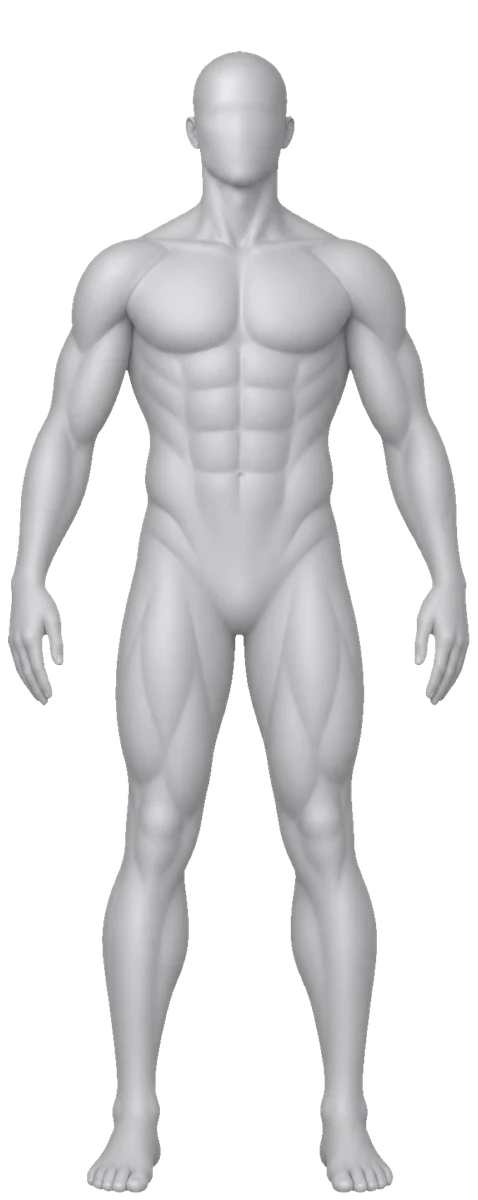
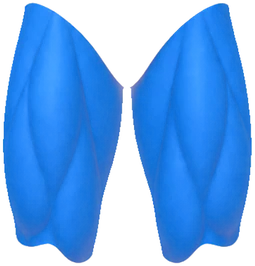
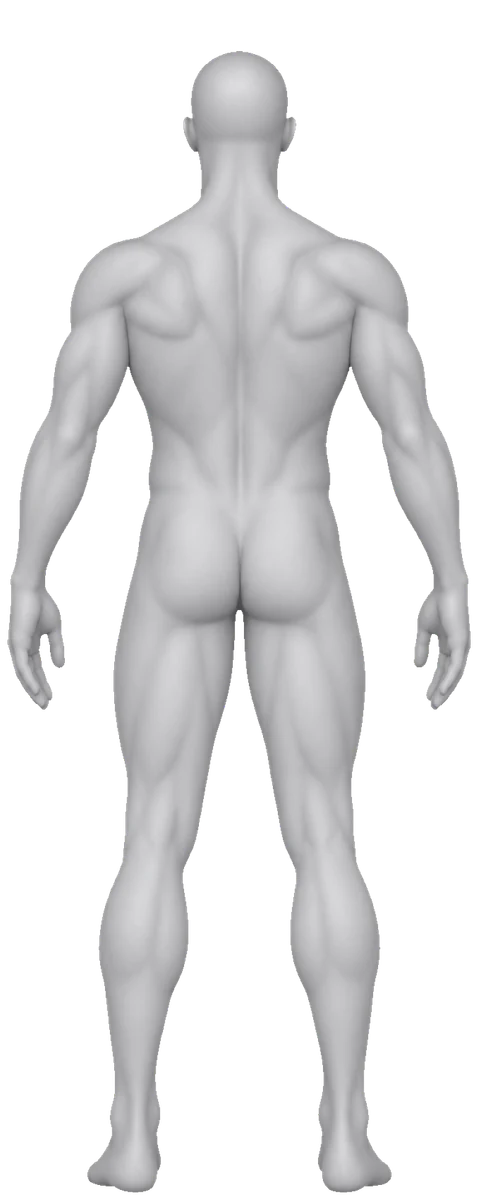
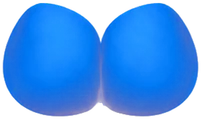
The category is broader than selectorized machines
Seated Calf Raise (Plate Loaded) is stored under machine alongside selected-stack and lever equipment. Squat (Smith Machine), Deadlift (Smith Machine) and Squat (Machine) also retain their different names. The equipment tag alone does not state the carriage mass, bar counterbalance or lever arrangement.
Hip Adductor (Machine) enters this filter through the catalog's quads region. That is a coarse directory tag, not an anatomical claim that the hip adductors are quadriceps. The name still identifies the adductor station. Hip Abductor (Machine) is separately tagged glutes, and Reverse Hyperextension carries glutes, back and hamstrings.
Give each station an identifiable history
Record a model name or gym location when several machines share one exercise label. Seat, pad and starting-position settings can explain which arrangement a log entry refers to. A stack number from one leg-curl model should not silently replace a plate total from another.
For loaded sleds or levers, distinguish added plates from a documented total that includes the carriage or lever. If that base mass is unknown, label the value as added load instead of guessing. Left and right settings, when independent, also need an explicit convention. These notes describe what was recorded without prescribing a particular station, range or exercise sequence.
Matching catalog records
The table is alphabetical and uses primary tags. Each matching record appears once.
| Exercise | Primary catalog tags | Equipment | Logged as |
|---|---|---|---|
| Calf Extension (Machine) | Calves | Machine | Weight and repetitions |
| Calf Press (Machine) | Calves | Machine | Weight and repetitions |
| Deadlift (Smith Machine) | Hamstrings, Quads, Back, Glutes | Machine | Weight and repetitions |
| Glute Kickback (Machine) | Glutes | Machine | Weight and repetitions |
| Hack Squat | Quads | Machine | Weight and repetitions |
| Hip Abductor (Machine) | Glutes | Machine | Weight and repetitions |
| Hip Adductor (Machine) | Quads | Machine | Weight and repetitions |
| Hip Thrust (Machine) | Glutes | Machine | Weight and repetitions |
| Leg Extension (Machine) | Quads | Machine | Weight and repetitions |
| Leg Press | Quads | Machine | Weight and repetitions |
| Lying Leg Curl (Machine) | Hamstrings | Machine | Weight and repetitions |
| Reverse Hyperextension | Glutes, Back, Hamstrings | Machine | Weight and repetitions |
| Seated Calf Raise (Plate Loaded) | Calves | Machine | Weight and repetitions |
| Seated Leg Curl (Machine) | Hamstrings | Machine | Weight and repetitions |
| Seated Leg Press (Machine) | Quads | Machine | Weight and repetitions |
| Squat (Machine) | Quads | Machine | Weight and repetitions |
| Squat (Smith Machine) | Quads | Machine | Weight and repetitions |
| Standing Calf Raise (Machine) | Calves | Machine | Weight and repetitions |
Common questions
Why is the hip-adductor machine tagged quads?
That is the current catalog's broad regional mapping. It should not be read as a precise anatomical label for the adductor muscles. The actual machine name is preserved in the table.
Can machine weight numbers be compared directly?
The catalog provides no such conversion. Model, loading system and recorded convention need to remain identifiable before interpreting two entries as the same setup.